
Beyond the label: Carbon neutrality
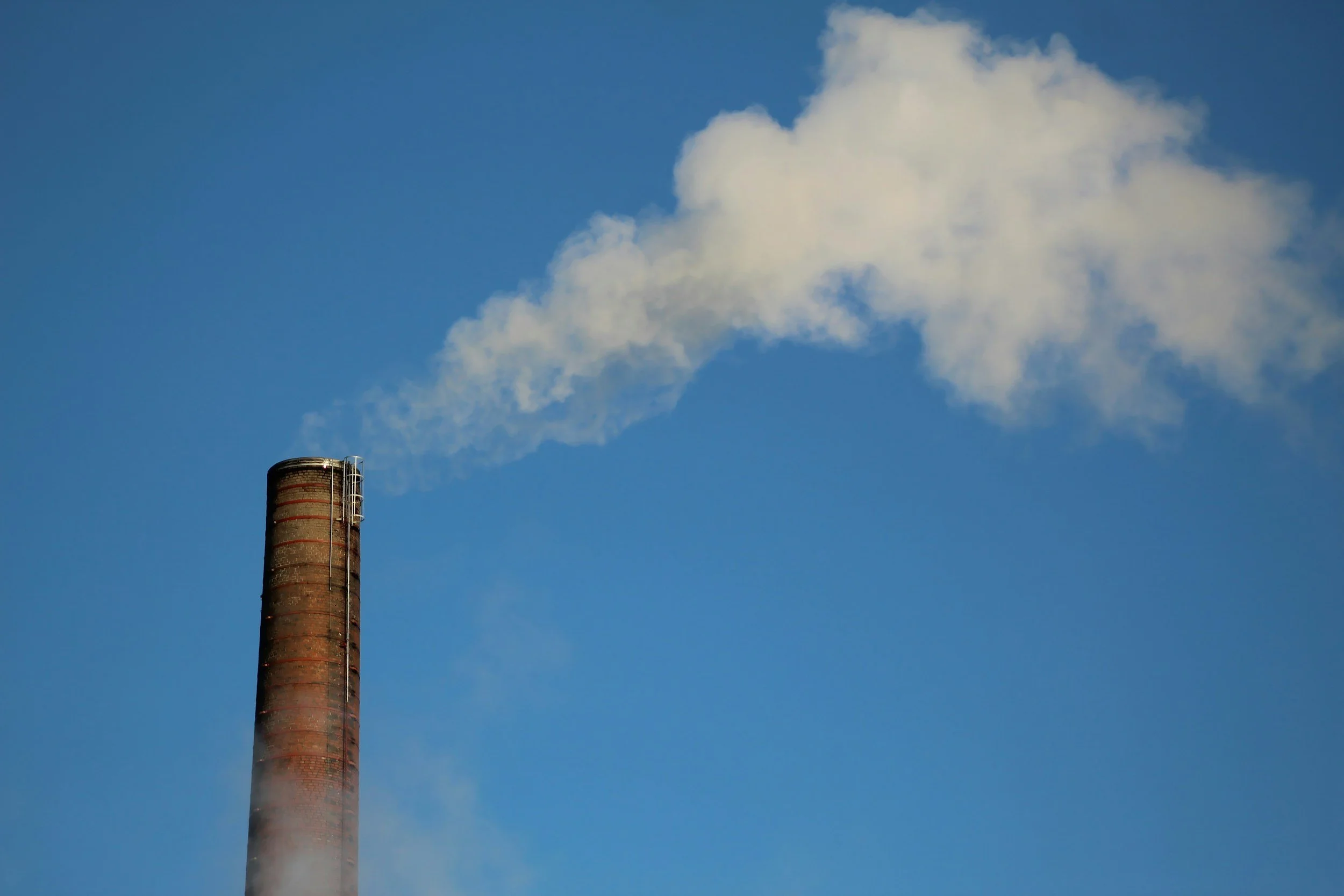
Carbon neutrality has become a common term in climate discussions. Governments set carbon-neutral targets, companies promote carbon-neutral products, and cities develop plans to reduce their emissions. But what does carbon neutrality actually mean?
Carbon neutrality does not mean that no carbon dioxide (CO₂) is produced. It means creating a balance between emissions and the removal or compensation of those emissions. An activity can still produce emissions and be considered carbon neutral if an equivalent amount of CO₂ is removed from the atmosphere or otherwise balanced. The important point is that carbon neutrality is about balancing emissions, not eliminating them completely. For example, an activity may still produce 100 tonnes of CO₂, but if 100 tonnes of CO₂ are removed from the atmosphere or otherwise accounted for, the activity can be described as carbon neutral.
Why does carbon neutrality matter?
The atmosphere does not distinguish between the source of a molecule of CO₂. CO₂ from a power plant, car, industrial process, or other human activity contributes to the same atmospheric carbon cycle. Human activities have substantially increased atmospheric CO₂ concentrations since the Industrial Revolution. The additional greenhouse gases trap heat and contribute to global warming. Reducing emissions therefore has a direct connection to limiting further warming. Carbon neutrality is one way of thinking about what needs to happen to stop the continued growth of atmospheric CO₂ from human activities: emissions need to fall dramatically, and the remaining emissions need to be balanced by carbon removal.
A transition toward carbon neutrality involves changes in how electricity is produced, how buildings are heated, how people and goods are transported, how food is produced, and how industrial materials are manufactured. Research on carbon-neutral pathways therefore covers areas ranging from renewable energy and transportation to agriculture, food waste, buildings, and industrial production. In practical terms, carbon neutrality can influence energy bills, transport options, building standards, product choices, infrastructure investment, and public policy.
Carbon neutrality starts with reducing emissions
There are two broad parts to achieving carbon neutrality:
Reduce greenhouse gas emissions
Deal with the emissions that remain
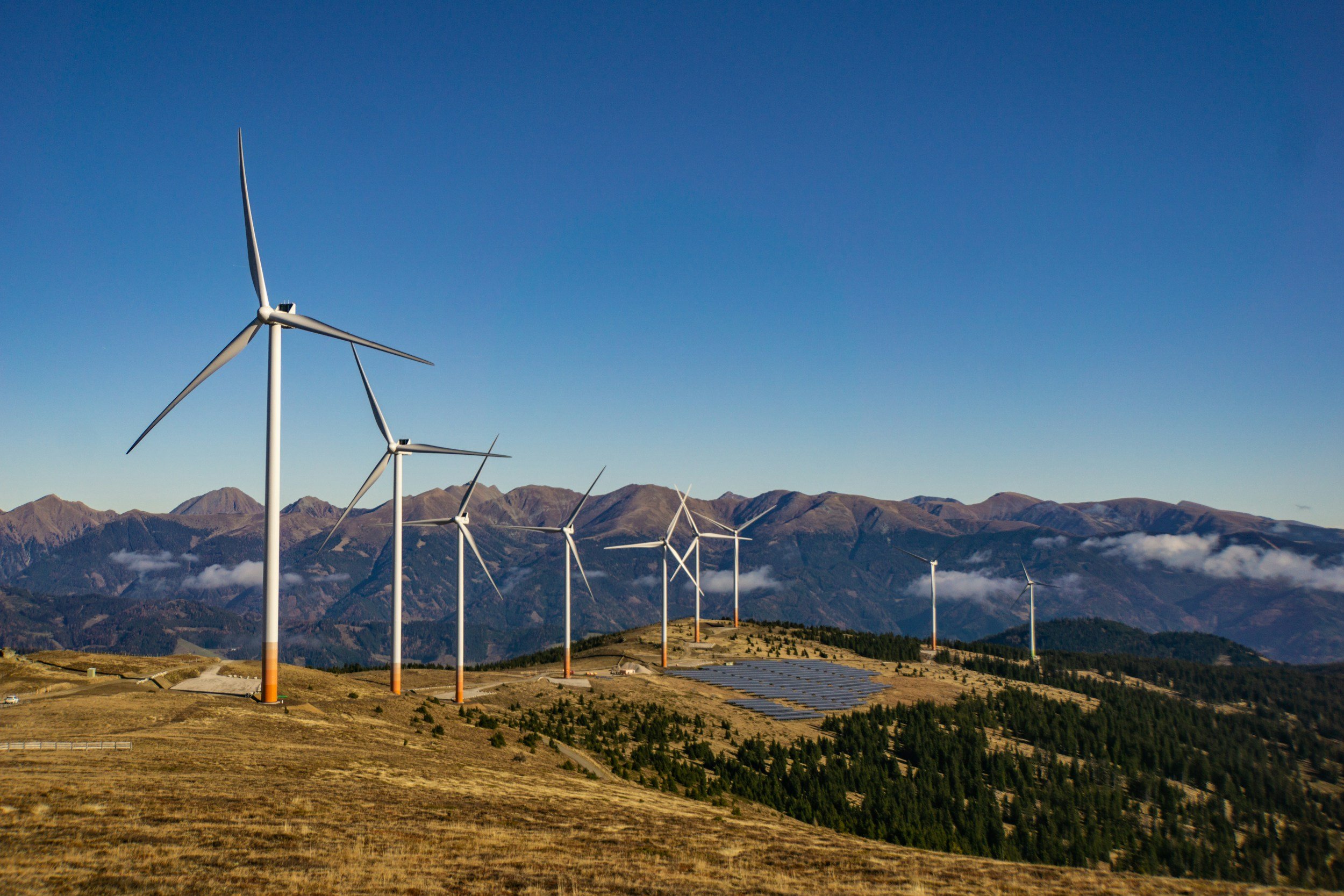
The first part is the most straightforward: produce fewer emissions in the first place. This can involve replacing fossil fuels with renewable energy, improving energy efficiency, electrifying transportation, changing industrial processes, reducing waste, and changing agricultural practices. Consider electricity as a simple example. A coal-fired power plant releases CO₂ when coal is burned. A wind turbine does not require combustion to generate electricity. Replacing fossil-fuel electricity with renewable electricity can therefore reduce emissions associated with electricity production. The same principle applies elsewhere. An electric vehicle powered by low-carbon electricity can reduce emissions from transport. A well-insulated building can require less energy for heating. More efficient industrial equipment can provide the same service while using less energy. Carbon neutrality is therefore not achieved by a single technology. It requires changes across many parts of the economy.
What happens to the emissions that remain?
Some emissions are difficult to avoid. Certain industrial processes release CO₂ as part of chemical reactions, while agriculture and some forms of transport can be difficult to fully decarbonize. This is where carbon removal comes in. Carbon removal means taking CO₂ from the atmosphere and storing it. Forests and soils can act as natural carbon sinks, while technological approaches include carbon capture and storage and other engineered removal methods. Natural ecosystems are particularly important because forests, soils, wetlands, and oceans already store enormous quantities of carbon. Protecting and restoring these systems can help maintain or increase carbon storage while also providing other environmental benefits.
Carbon neutrality does not mean stopping modern life
Carbon neutrality is sometimes presented as a choice between economic development and environmental protection. The transition involves changing the systems that provide energy, food, transportation, buildings, and industrial products rather than simply stopping those activities. Renewable energy can replace fossil fuels. Electrification can change how transport and heating are powered. More efficient buildings can reduce energy demand. Changes in food production can reduce emissions while improving resource efficiency. Waste materials can sometimes become inputs for new products.
This transition also creates technological and economic challenges. Some solutions are already widely available, while others are still developing. Carbon capture, carbon removal, low-carbon industrial processes, and other technologies continue to face questions about cost, scalability, energy use, and environmental impacts. In other words, carbon neutrality is less about finding one perfect solution and more about changing many systems at the same time.
Carbon neutrality is a long-term transformation
Carbon neutrality is sometimes discussed as if it were a single target with a single solution. In reality, it is a broad transformation of energy, industry, transport, agriculture, buildings, and consumption. There are several elements to achieve carbon neutrality: measuring emissions, reducing fossil-fuel use, improving energy efficiency, expanding low-carbon energy, protecting carbon sinks, developing carbon-removal technologies, and changing production and consumption systems. Some of these changes are highly technical. Others are surprisingly familiar: better insulation, public transportation, renewable electricity, less food waste, more efficient industrial processes, and products designed to use resources more efficiently.
The term carbon neutrality therefore describes something much larger than an environmental label. It describes a way of reorganizing human activities so that the carbon added to the atmosphere is eventually balanced by the carbon removed from it. For an individual, understanding the concept does not require becoming a climate scientist. The essential idea is much simpler. Carbon neutrality means reducing emissions as far as possible and balancing the emissions that remain. Understanding this balance makes it easier to understand climate targets, carbon footprints, and claims about low-carbon products and to understand what is behind those claims.
References:
Wang, F., Harindintwali, J. D., Yuan, Z., Wang, M., Wang, F., Li, S., Yin, Z., Huang, L., Fu, Y., Li, L., Chang, S. X., Zhang, L., Rinklebe, J., Yuan, Z., Zhu, Q., Xiang, L., Tsang, D. C., Xu, L., Jiang, X., . . . Chen, J. M. (2021). Technologies and perspectives for achieving carbon neutrality. The Innovation, 2(4), 100180. https://doi.org/10.1016/j.xinn.2021.100180
Wu, X., Tian, Z., & Guo, J. (2021). A review of the theoretical research and practical progress of carbon neutrality. Sustainable Operations and Computers, 3, 54–66. https://doi.org/10.1016/j.susoc.2021.10.001
Chen, L., Msigwa, G., Yang, M., Osman, A. I., Fawzy, S., Rooney, D. W., & Yap, P. (2022). Strategies to achieve a carbon neutral society: a review. Environmental Chemistry Letters, 20(4), 2277–2310. https://doi.org/10.1007/s10311-022-01435-8
He, B., Yuan, X., Qian, S., & Li, B. (2023). Carbon Neutrality: a review. Journal of Computing and Information Science in Engineering, 23(6). https://doi.org/10.1115/1.4062545
Chen, J. M. (2021). Carbon neutrality: Toward a sustainable future. The Innovation, 2(3), 100127. https://doi.org/10.1016/j.xinn.2021.100127
