
Good, bad, plastic
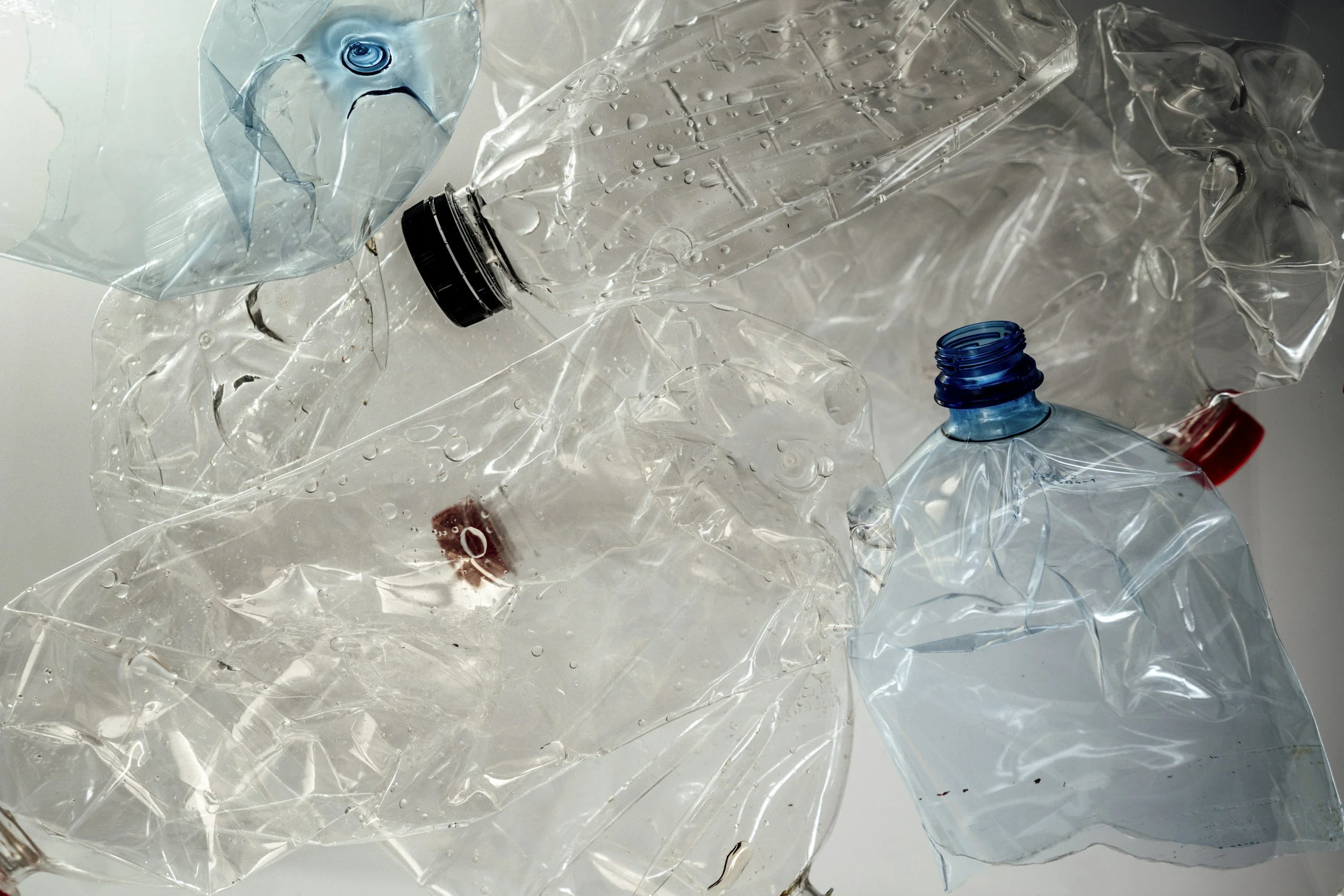
Plastic is everywhere. It is used in packaging, clothing, cars, electronics, buildings, medical equipment, and countless everyday products. It has changed modern life because it is lightweight, durable, inexpensive, and easy to shape. But plastic has also become one of the most visible environmental problems of our time. So, how did a material that was once seen as revolutionary become associated with pollution? And is plastic inherently bad for the environment?
Why is plastic so useful?
Plastic is a broad group of synthetic polymers. Most conventional plastics are made from fossil-based raw materials, although plastics can also be produced from biological sources. Different types of plastic have different properties, but many are lightweight, strong, flexible, water-resistant, chemically resistant, and good electrical or thermal insulators. They can also be manufactured in large quantities at relatively low cost. These properties make plastic useful in many applications where other materials may not perform as well. For example, lightweight plastic can reduce the weight of products and packaging, while plastic packaging can protect food from contamination and damage. In some cases, this can reduce food waste and the environmental impacts associated with producing and transporting food. This is why plastic cannot simply be classified as an environmentally harmful material. Its environmental impact depends on what it is used for, how long it is used, and what happens to it afterward.
The problem of plastic waste
The biggest problem is often not plastic itself, but the way we use it. Many plastic products are designed for a very short period of use. A food wrapper, shopping bag, or disposable container may be used for minutes or hours, while the material can remain in the environment for much longer. Plastic does not simply disappear when it is discarded. Sunlight, physical abrasion, and weathering can cause larger pieces of plastic to break into smaller fragments. These can eventually become microplastics and, at even smaller sizes, nanoplastics. Plastic pollution has now been found in marine, freshwater, terrestrial, and atmospheric environments. Animals can ingest plastic particles or become trapped in larger pieces of plastic. Research is also investigating how microplastics affect ecosystems and human health.
The scale of the problem is substantial. About 80% of plastics accumulate in the environment, while only a relatively small share is recycled. Plastic can take anywhere from roughly 100 to 1,000 years to break down, depending on its type and environmental conditions. This means that some of the earliest plastics ever produced could still remain in the natural environment today. If current trends continue, projections suggest that by 2035, the amount of plastic waste entering the oceans could be comparable to the total mass of fish in them.
Is recycling the solution?
Recycling is an important part of managing plastic waste, but it is not a complete solution. Recycling can turn used plastic into material that can be used again. This reduces the need for new plastic and can keep valuable material in circulation. However, recycling plastic is not always straightforward. There are many different types of plastic, and products can contain mixtures of polymers, additives, dyes, adhesives, and other materials. Contamination and insufficient collection infrastructure can also make recycling difficult. Most recycling processes require significant amounts of energy, and repeated processing can affect the properties of certain plastics. For these reasons, recycling should be viewed as one part of a wider strategy, rather than a way to justify unlimited production of disposable plastic. The simplest waste is still the waste that never has to be created.
What about bioplastics?
One possible alternative to traditional plastic is bioplastic. The term can be misleading because bio-based does not necessarily mean biodegradable. A bio-based plastic can be made from renewable biological resources but still behave much like conventional plastic after disposal. Similarly, biodegradable plastics do not necessarily biodegrade quickly in nature. Some require specific industrial composting conditions. Bioplastics can reduce dependence on fossil resources in some applications and may offer environmental benefits. However, their overall impact depends on how the raw materials are produced, how much energy is used during manufacturing, and what happens to the product after use. Simply replacing conventional plastic with a bioplastic does not automatically make a product sustainable. Even though bioplastics are becoming more popular, they still cover only 1% of the total plastic production.
What can we do?
There is no single solution to the plastic problem. First, we can reduce unnecessary plastic use. If a product or package is not needed, avoiding it eliminates the impacts associated with producing and disposing of it. Where plastic is useful, products can be designed to last longer, be reused, contain recycled material where appropriate, and be easier to recycle at the end of their life. Better waste-collection and recycling systems are also needed. Governments and companies can influence these systems through product standards, deposit systems, and other policies. Most importantly, solutions need to address the entire plastic life cycle, from raw-material extraction and production to consumption and waste management.
Plastic is neither simply good nor bad
Plastic has brought real benefits. Its combination of low weight, durability, versatility, and low production cost has made many products more affordable and efficient. But the enormous scale of plastic production, combined with the widespread use of short-lived products, has created a waste problem that current systems cannot sufficiently manage. The answer is not to declare plastic either good or bad. Instead, we should ask whether we are using the right material, for the right purpose, in the right quantity, and within a system that can manage it throughout its life. Sometimes the answer will be plastic. Sometimes it will be another material. And sometimes the best option will be not to use a material at all. Sustainable use of plastic is therefore less about finding a perfect replacement and more about changing how we design, produce, use, reuse, and manage materials.
References:
Pilapitiya, P. N. T., & Ratnayake, A. S. (2024). The world of plastic waste: A review. Cleaner Materials, 11, 100220. https://doi.org/10.1016/j.clema.2024.100220
Nielsen, T. D., Hasselbalch, J., Holmberg, K., & Stripple, J. (2019). Politics and the plastic crisis: A review throughout the plastic life cycle. Wiley Interdisciplinary Reviews Energy and Environment, 9(1). https://doi.org/10.1002/wene.360
Stoett, P., Scrich, V. M., Elliff, C. I., Andrade, M. M., De M Grilli, N., & Turra, A. (2024). Global plastic pollution, sustainable development, and plastic justice. World Development, 184, 106756. https://doi.org/10.1016/j.worlddev.2024.106756
Evode, N., Qamar, S. A., Bilal, M., Barceló, D., & Iqbal, H. M. (2021). Plastic waste and its management strategies for environmental sustainability. Case Studies in Chemical and Environmental Engineering, 4, 100142. https://doi.org/10.1016/j.cscee.2021.100142
Williams, A. T., & Rangel-Buitrago, N. (2022). The past, present, and future of plastic pollution. Marine Pollution Bulletin, 176, 113429. https://doi.org/10.1016/j.marpolbul.2022.113429
Li, P., Wang, X., Su, M., Zou, X., Duan, L., & Zhang, H. (2020). Characteristics of Plastic Pollution in the Environment: a review. Bulletin of Environmental Contamination and Toxicology, 107(4), 577–584. https://doi.org/10.1007/s00128-020-02820-1
Kan, M., & Miller, S. A. (2022). Environmental impacts of plastic packaging of food products. Resources Conservation and Recycling, 180, 106156. https://doi.org/10.1016/j.resconrec.2022.106156
